At a Glance
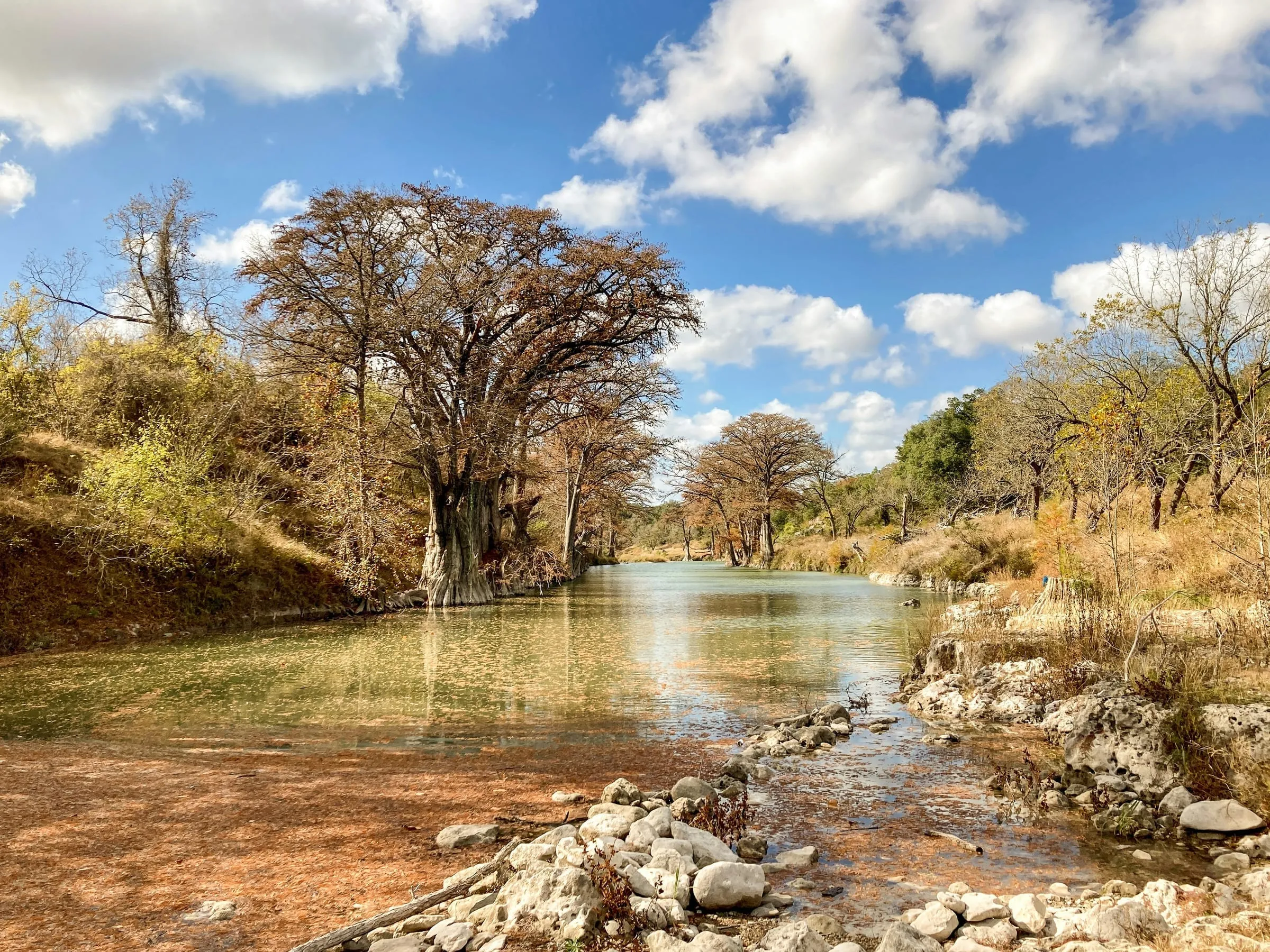
Muleshoe Bend
Best Wildflower Park
The strongest LCRA answer for spring bloom, shoreline camping, and trail mileage in one place.
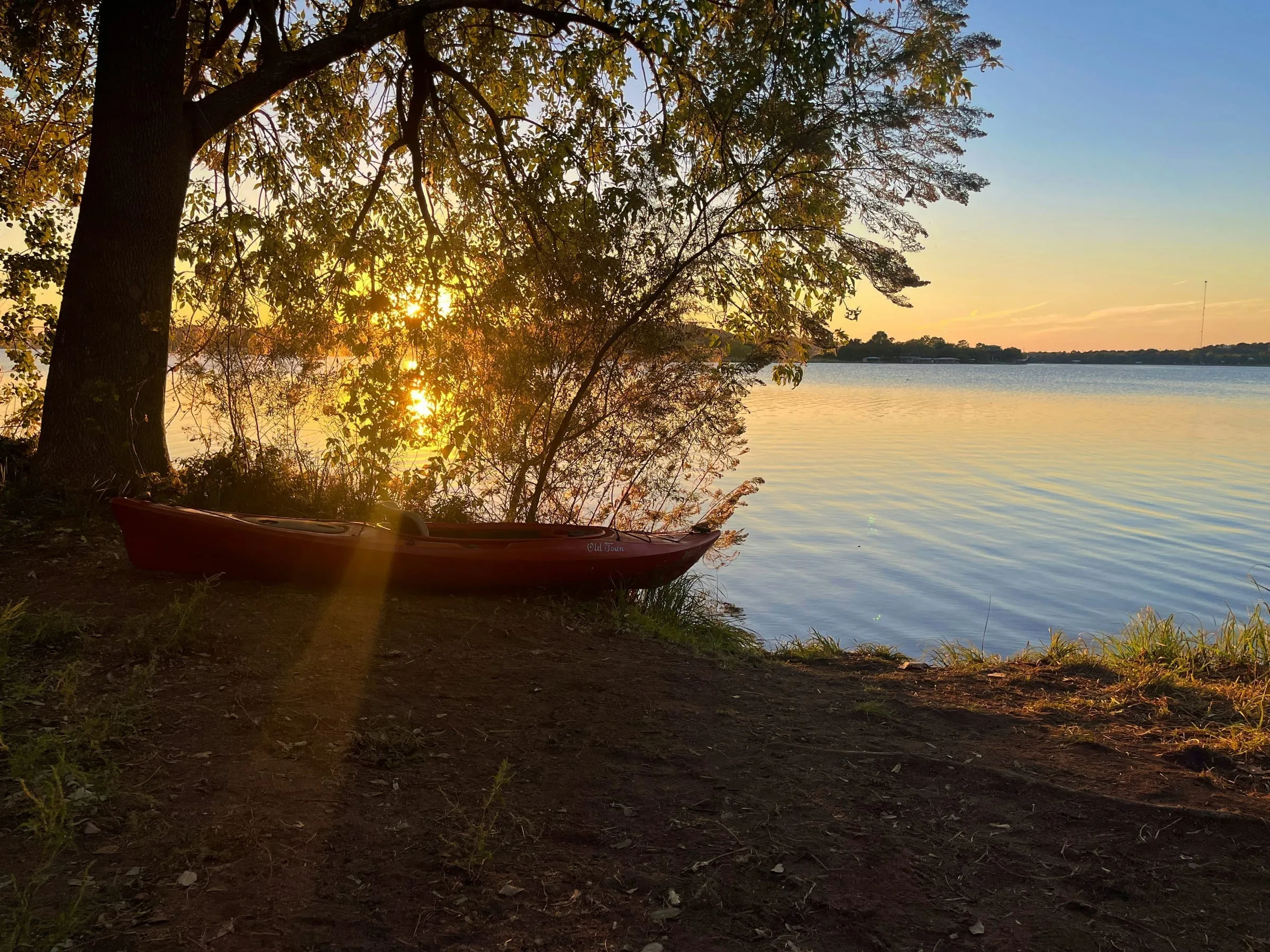
Black Rock
Best Family Lake Base
The most built-out family recreation base in the Hill Country side of the LCRA system.
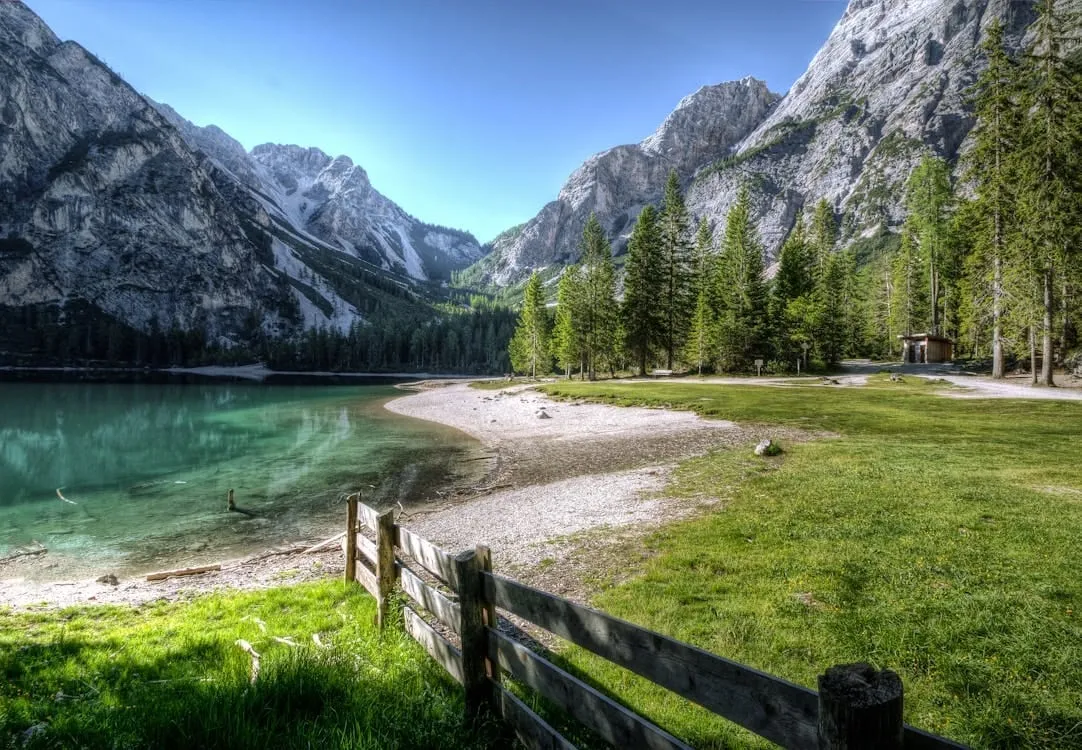
Grelle
Best Quieter Trail Pick
A stronger fit for hikers and low-key campers than for amenity-seeking lake groups.
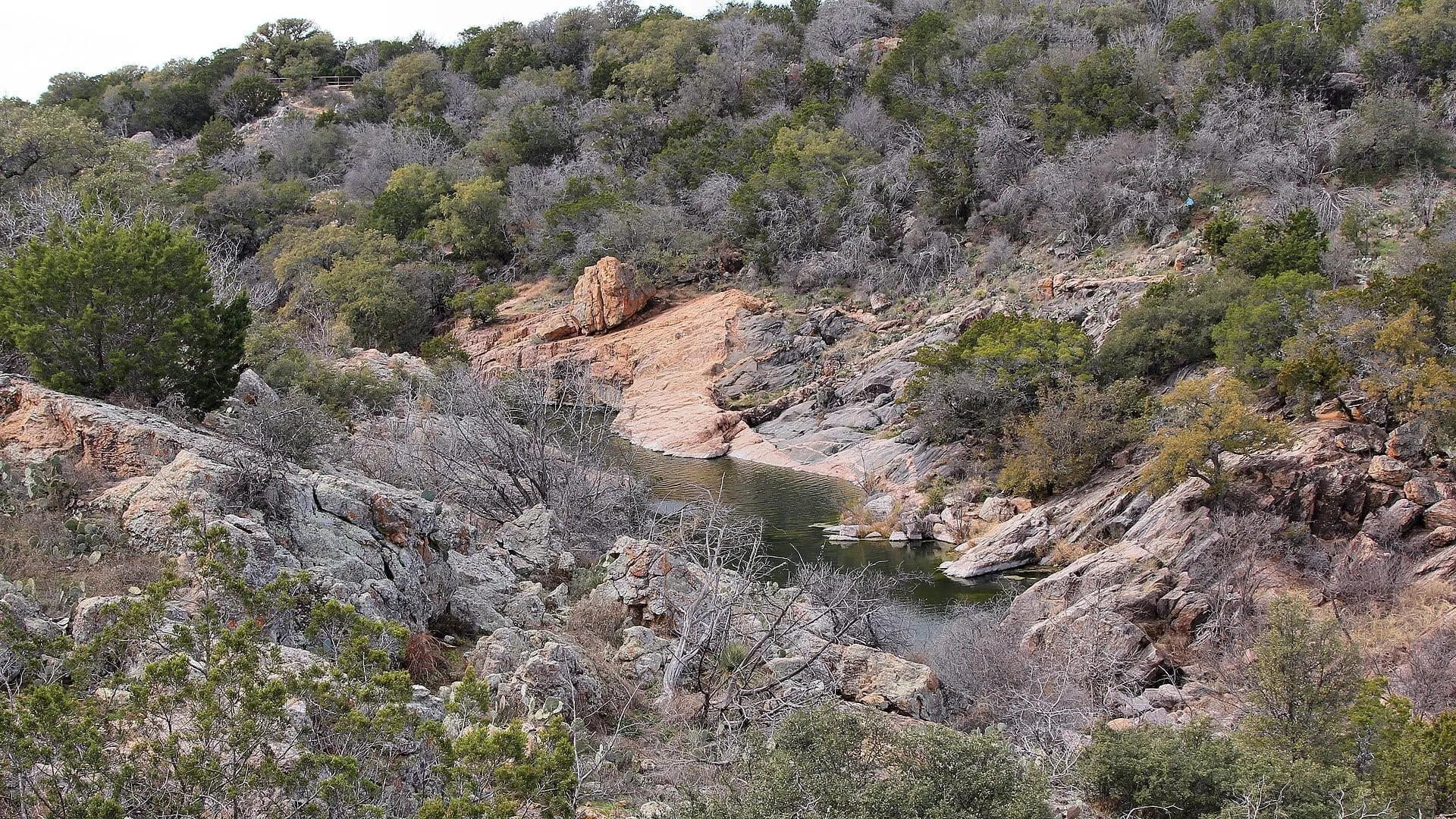
McKinney Roughs
Best Near-Austin Outlier
Less Hill Country than Lost Pines, but still one of the most distinctive LCRA properties near Austin.
The Lower Colorado River Authority operates 42 public parks from the Hill Country to the Texas Gulf Coast, managing nearly 11,000 acres of parkland along the Colorado River. But the system is easy to overlook if you mostly travel by Texas state park brand recognition. People know Enchanted Rock, Pedernales Falls, Inks Lake, and a few headline swimming holes. The LCRA parks are the quieter parallel system.
That quieter status is exactly why some of them are so useful.
These parks are rarely the most famous outdoor names in the Hill Country, but several are surprisingly good for the kinds of trips people actually take: a lake camping weekend without state-park scarcity, a spring wildflower run that still feels relaxed, a family water-and-picnic day, or a lower-key alternative when the big parks are booked or overrun.
The right way to read the LCRA lineup is not as a checklist. It is as a set of hidden-gem tools. Some are trail-first. Some are lake-first. Some are mostly recreation bases. A few are strong enough that they deserve to be part of your regular Hill Country planning rotation.
Why You Should Visit LCRA Parks
The LCRA parks tend to do three things better than people expect:
- Lake access and general recreation. Swimming areas, fishing, paddling, boat ramps, sandy edges, cabins, and easy campsites show up more often here than summit-style hiking drama.
- Lower-profile overnights. If the famous state parks are booked, LCRA parks often offer a calmer version of the same broad trip shape.
- Room to specialize. One park may be best for bluebonnets, another for glamping, another for a day of easy river access with kids.
What they generally do not do better than the most iconic state parks is singular landmark value. You are not replacing Enchanted Rock with an LCRA park. You are choosing a different kind of weekend.
On pricing: LCRA offers an annual Parks Pass that gives unlimited day entry to all LCRA-operated parks, 15% off reservations, and one complimentary guest visit per day. For 2026, pricing is $150 for adults (13+), $100 for seniors (65+)/military/disabled, and $240 for horse-and-rider. Kids 12 and under are free. Without a pass, day entry is typically $5 per adult.
Best LCRA Parks at a Glance
| Park | Best For | Why It Stands Out |
|---|---|---|
| Muleshoe Bend | wildflowers, tent camping, biking | The strongest hidden-gem spring park in the system |
| Turkey Bend | quieter camping, trail time, swim access | One of the better lower-key Lake Travis answers |
| Grelle | hikers, low-amenity campers, overlooks | Primitive Lake Travis park with rugged hills and no running water |
| Shaffer Bend | glamping, recreation, views | Home to the AMANI safari tent and scenic Lake Travis views |
| Black Rock | cabins, rentals, families | The easiest family recreation base on Lake Buchanan |
| Canyon of the Eagles | Buchanan overnight, stargazing | 940-acre nature park with Eagle Eye Observatory |
| Pedernales River Nature Park | day use, river access | Practical Johnson City river stop for fishing and paddling |
| McKinney Roughs | multi-activity, Lost Pines | Activity-dense park with zip lining and UTV tours |
1. Muleshoe Bend Recreation Area
If you only remember one park from this article, make it Muleshoe Bend.
This is the clearest LCRA hidden gem in the Hill Country orbit because it does multiple things well at once. The park is a strong spring wildflower destination, has shoreline camping on Lake Travis, and leans hard into trail use with hiking, biking, and horseback riding. LCRA also rents bikes, kayaks, and SUPs here.
It is especially strong in spring. LCRA runs an annual spring wildflower celebration called BLUEM here; for 2026, the event is scheduled for Saturday, March 21. Pair it with our bluebonnet season guide if spring timing is shaping the trip.
The park has 41 campsites (starting at $25 per night), 9.8 miles of trails, showers, and is pet-friendly.
Who it fits best: spring flower chasers, tent campers, mountain bikers, and people who want a lake trip with more trail identity than a standard campground.
2. Turkey Bend Recreation Area
Turkey Bend is one of the better examples of what LCRA parks are good at: a simpler, quieter Lake Travis park that still gives you the core weekend ingredients.
LCRA positions it around camping, trails, wildlife, and swimming, and that is the right summary. It has 30 campsites, hiking, biking, horseback riding, fishing, and swimming areas. It feels less famous than Muleshoe Bend and less rugged than Grelle, which is exactly why it works for a lot of groups.
This is a good park to pick when you want an outdoor weekend but do not need a marquee landmark. The lake access is there, the campsites are straightforward, and the whole place feels like a calmer answer to the “we just need to get outside and stay overnight” trip.
Who it fits best: families, casual campers, and groups who want a quieter Lake Travis weekend with enough trail time to matter.
3. Grelle Recreation Area
Grelle is the trail-and-camp answer in this roundup.
Its LCRA copy is blunt in the right way: rugged hills, overlooks, a chance to cool off in Lake Travis, and a campsite under the stars. Compared with Black Rock or Shaffer Bend, Grelle is lighter on amenities and stronger on the feeling that you came here to hike, poke around, and have fewer people around you.
That makes it one of the better LCRA picks for people who normally default to state parks. It does not have the same famous-name value, but it does offer a more stripped-back Hill Country lakeside outing with camping and trail access. The important caveat: Grelle is a primitive park with non-flushing restrooms, no running water, no electricity, no showers, and no rentals. If your group wants a playground, rentals, and higher-comfort lodging, choose something else. If your group wants a quieter camp and a better chance of feeling tucked away, Grelle earns the spot.
Who it fits best: hikers, dog owners, and lower-amenity campers who want a more rugged Lake Travis park.
4. Shaffer Bend Recreation Area
Shaffer Bend is where the LCRA system starts to feel like a practical substitute for a booked-up state park.
It mixes scenic overlooks, lake access, multiuse trails, swimming areas, and conventional campsites with one glamper-friendly curveball: the AMANI safari tent. That is a pretty good summary of the park’s personality. It is scenic enough to feel like a Hill Country getaway, but easy enough to work for people who want a more comfortable overnight.
This is also one of the better picks when “general recreation” is the actual goal. Hiking matters here, but so do bare feet on the sandy edge, a slower camp setup, and a lake day that does not need to be overthought.
Who it fits best: couples who want a softer overnight, mixed groups, and anyone looking for a more photogenic camping weekend near Marble Falls.
5. Black Rock Park
Black Rock is the family-recreation ringer in the Hill Country side of the LCRA system.
If you are measuring pure hiking prestige, it does not win this article. If you are measuring useful weekend versatility, it absolutely belongs here. On Lake Buchanan, Black Rock combines campsites, RV sites, cabins, deluxe cabins, airstreams, swimming areas, watercraft rentals, mini golf, volleyball, a playground, showers, and pet-friendly access. That is a lot of infrastructure, and for the right trip, that is exactly the appeal.
This is not the park to choose when you want isolation or the strongest trail argument. It is the park to choose when the trip needs to work for multiple ages and activity levels. The LCRA system is at its best when it gives you something a famous park would not: a less-hyped but more functional family lake weekend.
It is also a useful Lake Buchanan companion to Marble Falls, Longhorn Cavern, and the Highway 281 corridor in our Hill Country scenic drives guide.
Who it fits best: families, cabin and RV travelers, and people who want swimming and recreation to matter more than trail mileage.
6. Canyon of the Eagles
Canyon of the Eagles is the LCRA park in this list that most clearly argues for being a destination on its own.
On Lake Buchanan, this 940-acre park has trails with panoramic lake views, campsites, RV sites, a fishing pier, rentals, showers, and the Eagle Eye Observatory, a guided stargazing program with high-powered telescopes run by astronomer Jim Sheets ($25/adult, $15 ages 5-12). That stargazing identity gives the overnight more character than “camp near water.” LCRA pitches it as a premier camping destination with panoramic views of the lake, and that framing is basically right. This is one of the strongest overnight nature bases in the whole system.
It is also one of the cleaner alternatives to a state-park weekend when you care about scenery and quiet more than famous branding. If your group wants the Lake Buchanan version of a full outdoor overnight, this is one of the first LCRA parks worth checking.
Who it fits best: campers, RV users, birders, stargazers, and travelers building a Buchanan/Highland Lakes weekend.
7. Pedernales River Nature Park
Pedernales River Nature Park is not a big destination park. That is part of why it is useful.
In Johnson City at the junction of 281 and 290, it gives you something more practical than dramatic: easy access to biking, fishing, hiking, horseback riding, canoeing, kayaking, picnicking, and swimming areas right on the river. It is the kind of park most people have driven past without thinking about, which makes it an especially good “stop here instead of just passing through” recommendation.
If your weekend already has Johnson City or Pedernales Falls in the mix, this is the easier, smaller-scale river park add-on. It is not trying to outdo Pedernales Falls. It is giving you a more accessible day-use option when a big park is more than you need.
Who it fits best: Johnson City visitors, families, anglers, paddlers, and anyone who wants a casual river stop without state-park scale.
8. Central Texas Bonus: McKinney Roughs Nature Park
McKinney Roughs is the edge-case inclusion here because it is more Central Texas / Lost Pines than Hill Country proper. It still deserves the mention.
This is the most activity-diverse park in the LCRA system: hiking, biking, horseback riding, river rafting, wildlife viewing, zip lining, UTV touring, Segway tours, learning programs, and bunkhouse/dorm-style overnight infrastructure. If the Hill Country parks are often about lake weekends, McKinney Roughs is about outdoor programming and terrain variety.
It is not the right fit if your real goal is the classic limestone-and-bluebonnet Hill Country feel. It is the right fit if you want an easier-to-reach Central Texas nature park with more built-in activity options than most outdoor places near Austin.
Who it fits best: families near Austin, school-break outdoor trips, wildlife-and-trails people, and groups that want more structure than a normal campground offers.
How to Choose the Right LCRA Park
If you only have time for a few, the shortlist is pretty clear:
- Muleshoe Bend is the best all-around hidden gem.
- Canyon of the Eagles is the best overnight nature-base choice.
- Black Rock is the best family recreation answer.
- Pedernales River Nature Park is the most useful quick stop if you are already in the Johnson City corridor.
The second tier is still worth knowing:
- Turkey Bend if you want quieter camping on Lake Travis.
- Grelle if you want the rougher trail-and-camp version.
- Shaffer Bend if you want easy recreation with a more comfortable overnight option.
Is Pace Bend an LCRA Park?
One park that does not appear in this list but comes up in every Highland Lakes conversation is Pace Bend Park: 1,368 acres on Lake Travis with over nine miles of shoreline, camping, boat ramps, swimming coves, and limestone cliffs. It is one of the most popular parks in the region. The reason it is not here is that Pace Bend is managed by Travis County under a lease from LCRA, not directly by LCRA. If you are building a Lake Travis weekend and the LCRA parks listed above do not have what you need, Pace Bend is the other system worth checking.
LCRA Parks vs. Texas State Parks: Which Is Better?
The simplest distinction is this:
- choose the state parks when you want the iconic landmark version of the Hill Country
- choose the LCRA parks when you want lake access, easier recreation, calmer overnights, or less-famous parks that can still carry a full weekend
That is why the two systems complement each other so well. A region that already has Inks Lake, Pedernales Falls, and Longhorn Cavern still benefits from lesser-known parks that solve different trip problems.
Summary of LCRA Parks in the Hill Country
The best LCRA parks in the Texas Hill Country are not famous for the same reasons the big state parks are famous. They are better at being useful hidden gems: quieter campgrounds, lake weekends, spring flower detours, family water days, and parks that are easier to fit into real life.
If you want the strongest first pick, start with Muleshoe Bend. If you want the best overnight nature base, start with Canyon of the Eagles. And if you just want a good outdoor stop that most people still underrate, the LCRA system is full of better answers than its reputation suggests.