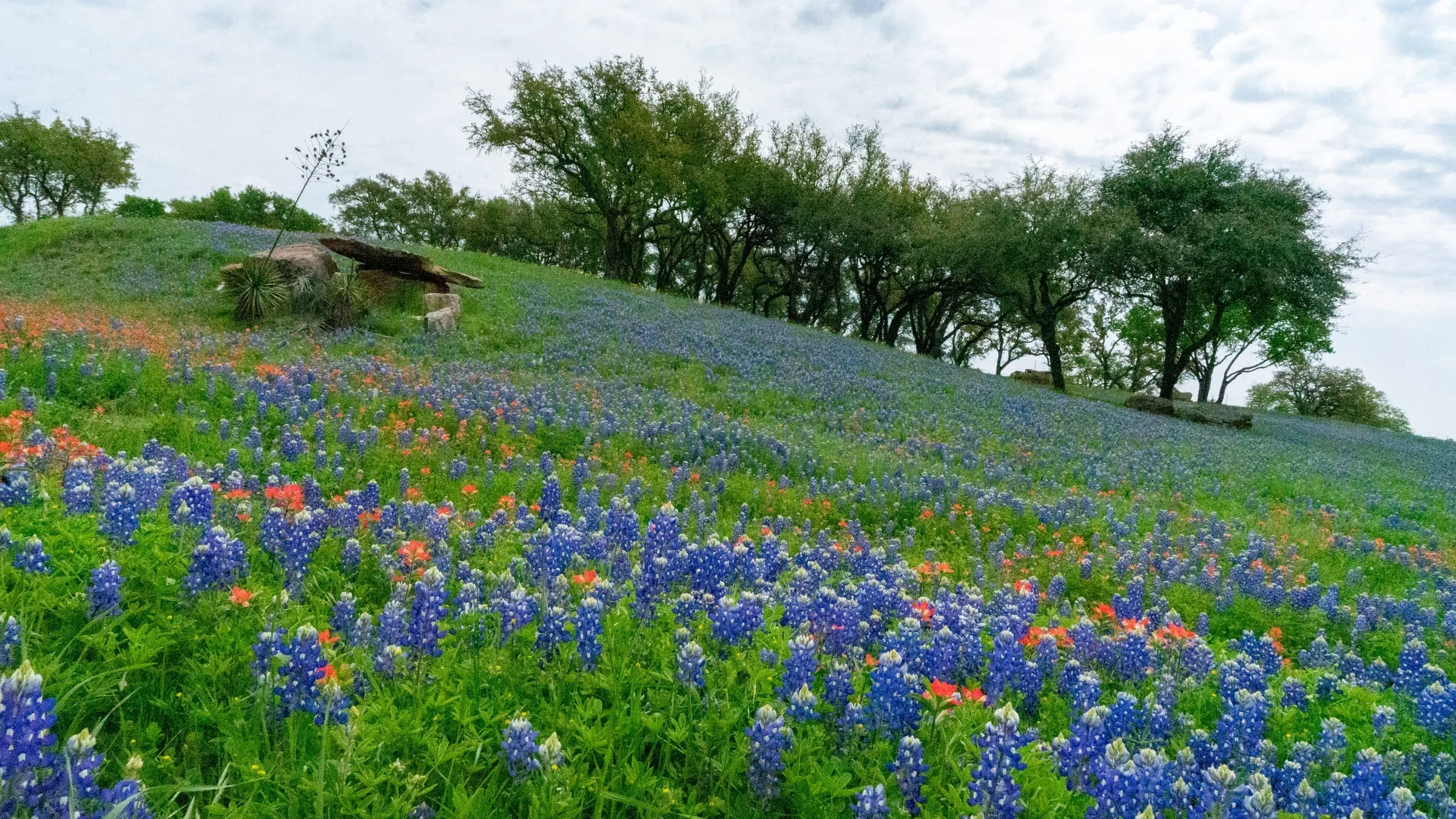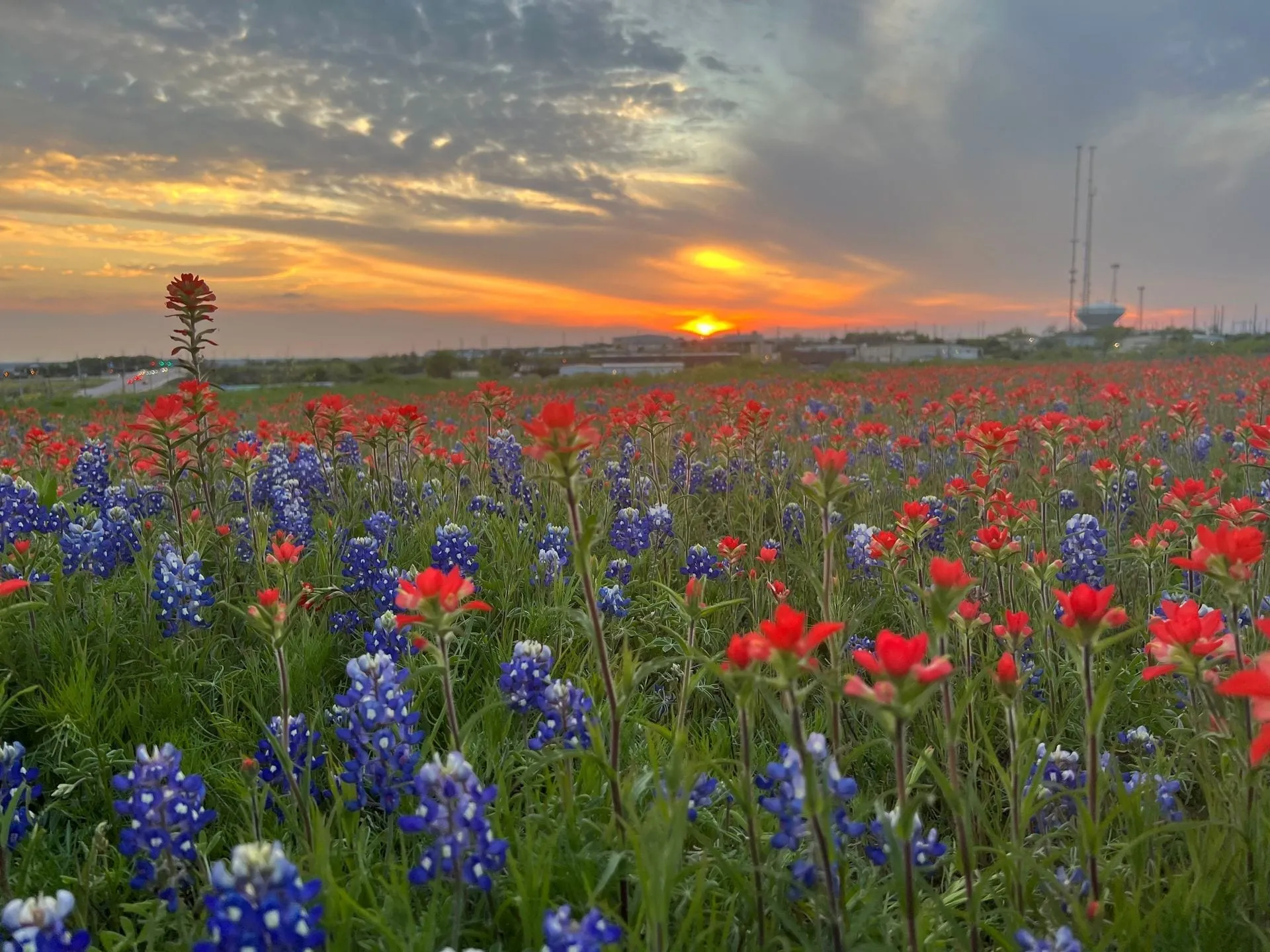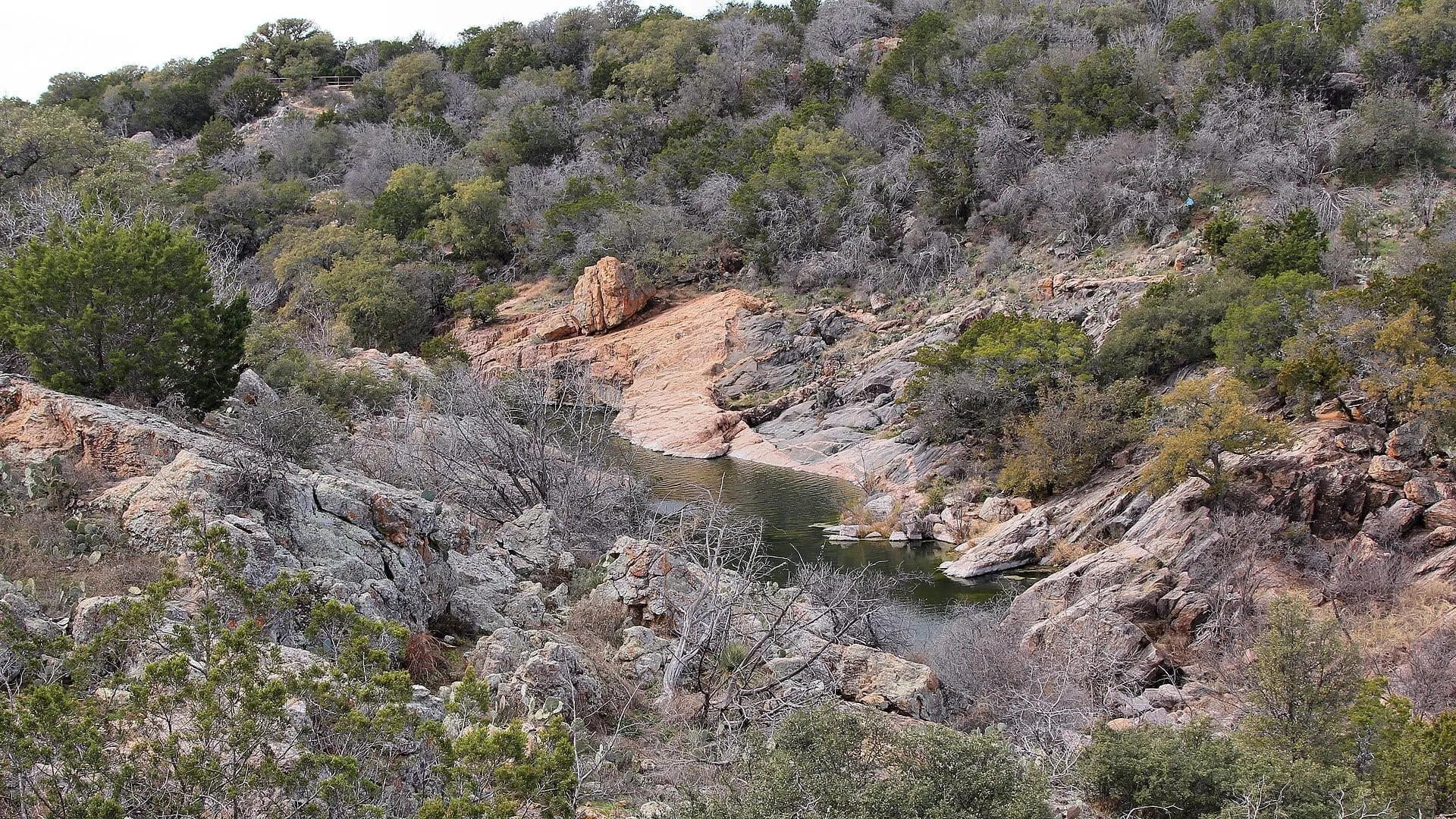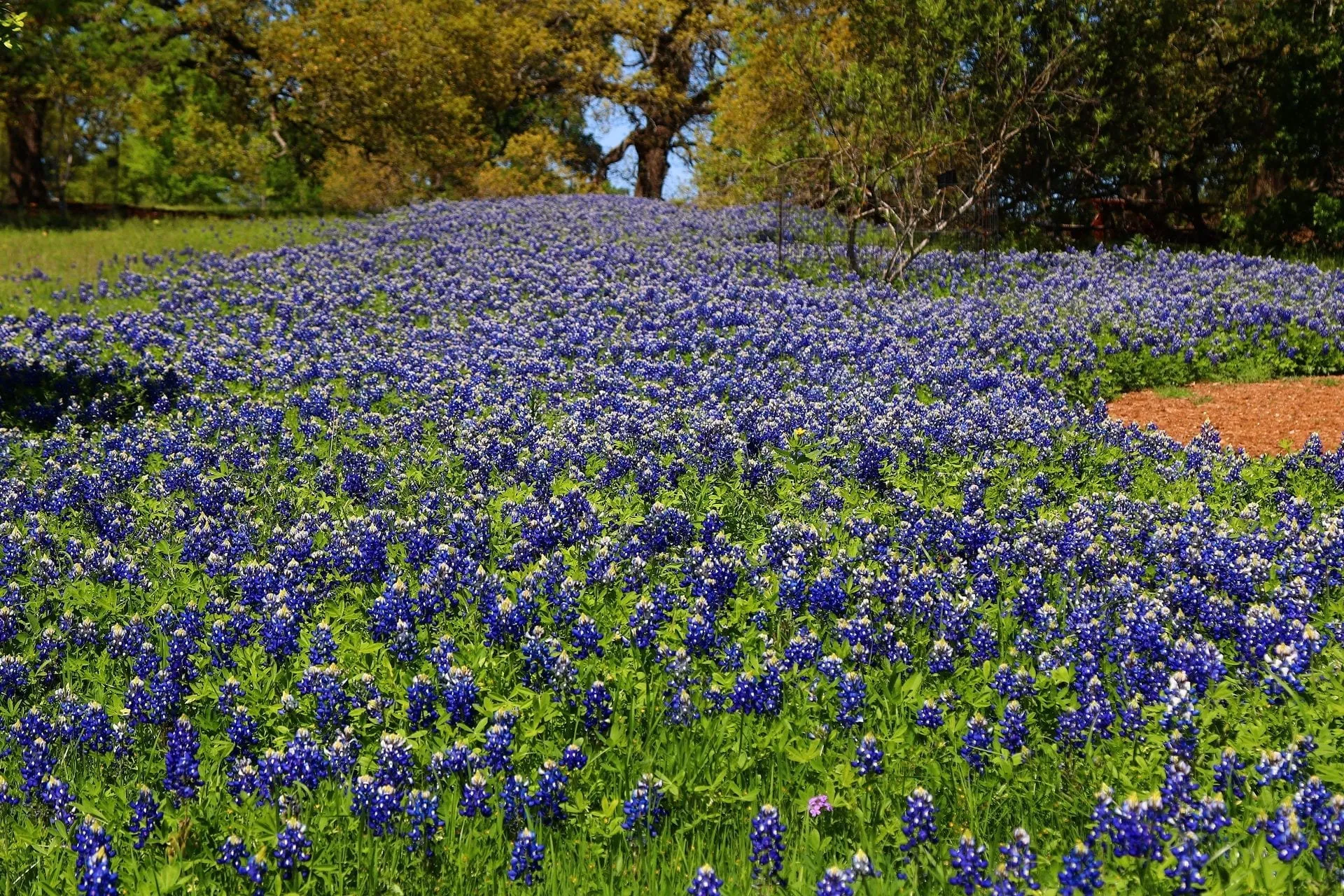
Bluebonnet season in the Texas Hill Country earns its reputation, when the conditions are right. When rainfall lines up through winter and into early spring, U.S. 290 between Austin and Fredericksburg becomes one of the more striking road corridors in the state. The roadsides go blue and rust-red, the meadows fill in, and every rest stop becomes a photography location.
The catch is the “when the conditions are right” part. Bloom quality in the Hill Country depends on the previous fall’s rainfall, the winter’s temperature pattern, and what March decides to do. A dry winter produces a thinner display. A late freeze can delay or interrupt a promising start. None of that stops the season from being worth planning around. It just means you should plan with flexibility instead of committing to one specific weekend three months out.
This guide gives you named stops, realistic timing, and a trip structure that holds up whether you hit the peak or land a week early.
Best Towns to Stay in for Bluebonnet Season
| Base | Best For | Named Wildflower Anchor | Information & Update Source |
|---|---|---|---|
| Fredericksburg | First-time spring visitors; widest range of named stops | Wildseed Farms, Willow City Loop, Peach Loop | Visit Fredericksburg wildflowers page |
| Johnson City | Quieter spring drive; Pedernales corridor | U.S. 281/290 corridor | ExploreJCTX (Local orientation) |
| Wimberley | Spring flowers plus creek-town atmosphere | Blanco State Park, Wimberley Loop | TPWD Wimberley Loop |
When Do Bluebonnets Peak?
The short answer is late March through mid-April in most years, but that window moves based on weather, and any article that gives you a specific week without tying it to current-year conditions is guessing.
TPWD’s wildflower guidance points out that wildflowers bloom almost year-round in Texas in some form, which helps explain why the Hill Country rarely goes completely flowerless in spring, but it also means the question isn’t “will there be flowers” but “how much and where.”
The Fredericksburg tourism site maintains an annual bloom page that links bloom quality to rainfall. For 2026, experts are predicting a patchy and sparse season following a notably dry fall in 2025 and a low-rainfall winter. Bloom quality correlates directly with September and October moisture for germination, followed by steady winter rain for root development. Check the Visit Fredericksburg wildflower page in the two weeks before your trip for the most accurate current status.
What to watch for:
- Mid-March: Early displays on roadsides, especially south-facing slopes
- Late March: Peak probability window in most years; highest chance of full roadside color
- Early to mid-April: Color shifts toward Indian paintbrush, evening primrose, and other late-spring varieties after bluebonnets start to fade
- Late April: Mostly post-peak for bluebonnets; still worth driving for other wildflowers
Plan for the window, not the week. Book lodging for a long weekend in the late March to early April range, keep an eye on the Visit Fredericksburg page in the two weeks before, and give yourself permission to pivot if the timing is off.
Best Places to See Bluebonnets in the Hill Country
Wildseed Farms
Wildseed Farms is the single most reliable named stop for spring color in the region. It’s the nation’s largest working wildflower farm, with more than 200 acres of fields about 15 minutes from downtown Fredericksburg.
The farm is open daily from 10:00 a.m. to 6:00 p.m. In weak rainfall years when the roadsides are thin, Wildseed often delivers what the hillsides don’t. The display is maintained, which makes it the best hedge against an underwhelming roadside season and the most photo-consistent stop regardless of what the weather has done.
For families, it’s an easy stop: walkable paths, kids can roam, no difficult terrain. Go early in the morning before the crowds for the best light.
Willow City Loop
The Willow City Loop is the famous spring drive northeast of Fredericksburg, and it works best when you treat it as exactly that: a short scenic route through private ranch country, not a flower field you can wander into. The land along the loop is private property, so the public right is the road itself. If you want the full planning version, including timing, traffic, and the difference between Willow City Loop and Peach Loop, use our Willow City Loop guide. If you want the “get out and walk” experience, stick to Wildseed Farms or the state parks.
Lady Bird Johnson Wildflower Center
For those approaching from the Austin side, the Lady Bird Johnson Wildflower Center is the premier research and viewing site. For 2026, admission is $15 (Monday–Thursday) and $18 (Friday–Sunday). The center is open daily from 9:00 a.m. to 5:00 p.m. and provides the region’s most accurate bloom tracking data.
Blanco State Park and the Wimberley Loop
The TPWD Wimberley Loop highlights seasonal bluebonnets at Blanco State Park and Charro Ranch Park. This is a better alternative for anyone who wants spring flowers alongside the creek-side atmosphere of Wimberley.
Blanco State Park sits on the Blanco River and has a shorter, more intimate feel than the Pedernales-scale parks. It works well for a half-day visit with a picnic. Entry is $5 for adults (13+); children 12 and under are free.
LBJ State Park Spring Drive
LBJ State Park and Historic Site along the U.S. 290 corridor between Johnson City and Stonewall is one of the better spring drives in the region for people who want wildlife alongside flowers. The roadside between Johnson City and Stonewall runs through open ranchland and Hill Country corridor where wildflowers line the roadsides in good years, and the park itself adds bison and longhorn visible from the road.
It’s a natural extension of a Johnson City base weekend. Walk the LBJ heritage sites in the morning, drive the corridor toward Stonewall for wildflower context, and come back through Johnson City along 281 for a different angle on the bloom.
Choosing the Best Town for Your Wildflower Trip
Fredericksburg
The strongest first-trip choice. Visit Fredericksburg actively maintains spring bloom updates that name specific locations and conditions rather than general seasonal marketing, which makes it useful. The town has the widest range of lodging, food, and wine options for an extended weekend, and the density of named stops within 30 minutes of downtown is unmatched in the region.
The tradeoff is crowds, especially on confirmed-peak weekends. If Fredericksburg fills up or feels congested, move east.
For a deeper weekend framework, see our perfect weekend in Fredericksburg guide.
Johnson City
Johnson City is the quieter corridor option: less traffic, smaller town, and sits at the center of the spring driving radius between Fredericksburg and Austin.
The ExploreJCTX visitor center at 100 East Main Street has current local information that’s useful for planning a spring weekend. Note that for 2026, the National Historical Park Visitor Center nearby is open daily from 9:00 a.m. to 5:00 p.m. and is often the best source for corridor bloom status.
Spring pairs well with the LBJ Boyhood Home, Science Mill for a mixed-day, and a run out to Pedernales Falls for trail time alongside the bloom. More on the Pedernales add-on: Pedernales Falls complete guide. For the full town weekend structure, see our Johnson City weekend guide.
Wimberley
Wimberley makes sense for spring trips with a different agenda than the standard Fredericksburg wine-and-wildflower loop. The Blanco River, Blue Hole Regional Park, and Jacob’s Well trail system give the weekend a water and hiking spine that holds up before or after wildflower peak. The town has enough lodging and food to justify an overnight base.
Sample 3-Day Bluebonnet Weekend Itinerary
Friday: Drive in late afternoon before traffic peaks. Settle into lodging, dinner in town. Check the Visit Fredericksburg wildflower page for anything specific to the current week’s conditions.
Saturday morning: Wildseed Farms when it opens. Best light, thinner crowds. Give it 60–90 minutes. Don’t rush the walk-around, especially if you’re shooting.
Saturday midday: Drive the broader Peach Loop if you want public stops, or use Willow City Loop as the shorter scenic-drive version. If you skip both, the U.S. 290 corridor toward Johnson City is the easier backup. Stop only at pull-outs that are clearly safe and legal. See below for what “safe pull-out” actually means.
Saturday afternoon: Town time, winery, or LBJ State Park if you’re doing the Johnson City corridor. If you want less Fredericksburg and more small-town pacing, Johnson City is the cleanest alternative base.
Sunday: Pedernales Falls for a morning hike, or Wimberley and Blanco State Park if you want the creek-country angle. Either works as a Sunday morning before heading home.
How to Safely Take Photos of Bluebonnets
This needs to be said plainly because every spring there are accidents and trespassing incidents that were entirely avoidable.
On roads: Respect traffic laws when viewing wildflowers. This applies especially to U.S. 290 and similar high-speed routes that look like they have soft shoulders but don’t. Don’t stop on the road. Don’t slow to 10 mph on a highway shoulder while traffic moves at 70 mph behind you. Use designated pull-offs and turnouts where they exist. If you have to ask whether a spot is safe to stop, it isn’t.
On private land: The roadside bluebonnets that look like they stretch into open fields are almost always on private land. State law does not make roadside wildflowers a public commons. Respect private property. Do not cross fence lines.
The practical advice: Use Wildseed Farms, state park sites, and established pull-offs for photos. These locations give you better access, safer footing, and often more dramatic composition than a highway shoulder. The photo doesn’t require a trespassing risk.
What to Pack for a Texas Wildflower Road Trip
This is a car-and-walk trip, not a technical hike. The gear list is short:
-
Layers. Spring Hill Country is 75°F at 1 p.m. and 52°F when the sun drops behind a hill at 7 p.m. A light fleece or jacket handles the temperature swing without adding bulk.
-
Good walking shoes. Wildseed Farms and state park sites are walking surfaces: packed gravel, mown paths, some dirt. You don’t need hiking boots, but you don’t want dress shoes either.
-
Water. Always. Even on a mild spring day, you’re outside for several hours.
-
A phone mount or camera strap. You’ll have both hands free on the drive-through sections and want them on the walk-around stops.
Official Resources
- Visit Fredericksburg, Wildflowers: Best named bloom-update source; check this before your trip
- TPWD Wildflowers: Statewide framing and park-based viewing
- Wildseed Farms: Hours, events, and current fields
- TPWD Peach Loop: Fredericksburg-area route and named stops
- TPWD Wimberley Loop: Wimberley-area parks and seasonal flowers
- LBJ State Park: Spring drive and wildlife corridor
For trail options to pair with the spring drive, see our best wildflower hikes in the Texas Hill Country guide. For the dedicated drive-first version near Fredericksburg, use our Willow City Loop guide.