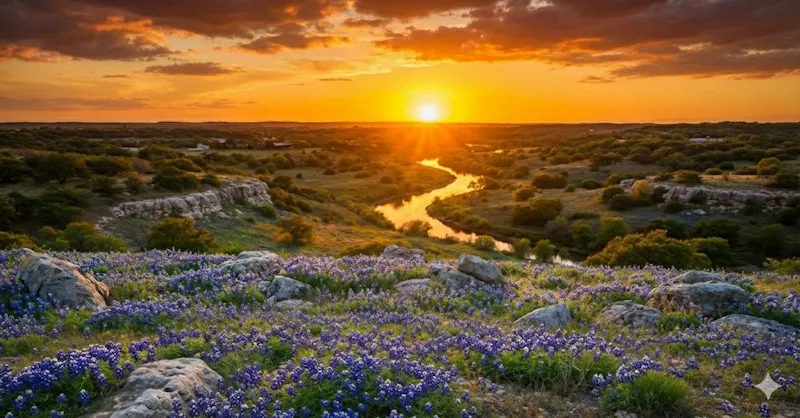
Most outdoor gear advice is written for places that are cooler, steeper, and wetter than the Hill Country.
The terrain here is hot, rocky, and dry for most of the year. The hikes are short but exposed. River days are hard on gear that was never meant for hot pavement and rocky exits. Camping is usually drive-up state-park camping, not backpacking minimalism. And the biggest gear failures are usually friction failures: not enough water because bottles were annoying to reach, a pack that carries fine but overheats your back, a hat that covers your forehead but not your neck, or water shoes that feel okay in the river and awful everywhere else.
These guides are built around that reality. The goal is simple: gear that works in actual Hill Country conditions, not just on a spec sheet.
How To Use This Section
| If you want… | Start here |
|---|---|
| Trail shoes that handle granite, limestone, and Texas heat | Best Hiking Shoes for Texas Hill Country Trails |
| Water-carry systems sized for exposed summer hiking, not just trail mileage | Best Water Bottles and Hydration Packs for Texas Summer Hikes |
| Tubes, dry bags, and water shoes that survive a Hill Country float | Best River Tubes, Dry Bags, and Water Shoes |
| Car-camping gear for Garner, Inks Lake, or Guadalupe River State Park | Best Camping Gear for the Texas Hill Country |
| A daypack sized for Hill Country water needs, not mountain liters | Best Daypacks for Hill Country Hiking |
| Sun protection that still works once sweat, water, and midday exposure become the real problem | Best Sun Protection for Texas Outdoor Days |
| One destination-specific packing list for the region’s most popular exposed hike | What to Pack for Enchanted Rock |
The Hill Country Gear Problem
The core issue is simple: national gear guides optimize for the wrong conditions, and most people who hike or float the Hill Country do not do it often enough to have learned the hard way which gear matters and which does not.
A few patterns that show up repeatedly:
- Waterproof hiking boots are usually wrong here. The Hill Country is hot. Your feet need airflow, not insulation. A breathable low hiker or trail runner handles 90 percent of what this terrain throws at you. The rare creek crossing dries faster in a mesh shoe than it does in a waterproof boot.
- Hydration math is different. A 3-mile hike at Enchanted Rock in June requires more water than a 10-mile hike in the Cascades in September. The water bottle and hydration pack guide breaks down the actual math.
- Sun protection is gear, not an afterthought. SPF is a consumable, not a plan. The sun protection guide treats it as a system — hat, shirt, sunscreen, timing — because that is what an exposed Hill Country day actually demands.
- Carry systems have to do more than hold water. A Hill Country daypack still needs room for a small first-aid kit, an offline map, a light layer, and the little items that stop a short hike from going sideways. The daypack guide is really a guide to how much gear a hot-weather day actually requires.
- River gear has specific failure modes. Cheap tubes pop on limestone. Flip-flops fail on rocky exits. Phones die in dry bags that were not tested in Texas heat. The float gear guide names the products that survive the day and the ones that do not.
- Camping comfort is mostly about airflow, shade, and sleep. Most people do not need a more technical tent. They need a freestanding tent that handles rocky pads, enough ventilation to make the night bearable, and a sleep setup that works in a campground instead of on a gear spreadsheet.
The Five Systems That Matter Most
The easiest way to use the gear section is to stop thinking item-by-item and start thinking system-by-system.
1. Footwear and traction
This is the granite-and-limestone system. It covers shoes, socks, and the question of how much support you really need for Enchanted Rock, Pedernales Falls, or Lost Maples. Start with the hiking shoes guide.
2. Water, electrolytes, and carry
This is the system most people underbuild. A bottle choice only makes sense once you know how much water you need, and a daypack choice only makes sense once you know how much of that water you want to carry on your back. Start with the hydration guide and the daypack guide.
3. Sun and heat management
On an exposed Texas trail or a full river day, the right shirt and hat solve more problems than “better sunscreen” ever will by itself. Start with the sun protection guide.
4. Water-day gear
Floats and swimming-hole days have their own friction points: rocky exits, hot pavement, tube durability, and keeping your phone alive. Start with the float gear guide.
5. Camp setup and overnight comfort
Most Hill Country campers are driving into a state park, not thru-hiking. Shelter, airflow, a real sleeping surface, and cooler performance matter more than shaving ounces. Start with the camping guide.
Gear Tied to Specific Trips
Some gear questions are easier to answer when they are tied to a specific destination instead of a general category.
What to Pack for Enchanted Rock is the most focused example — a short packing list built around the specific demands of one park. If you are planning a trip to Enchanted Rock and want to know exactly what to bring, that guide is faster and more useful than reading through the full shoe and daypack guides.
The trail and river guides elsewhere on this site link directly to the gear that pairs with each destination. If you start from a trail guide and want to know what shoes to wear, the link is already there.
What People Usually Forget
Once the core shoe, water, sun, river, and camping decisions are handled, the next mistakes are usually smaller and easier to miss.
- A small first-aid and emergency kit matters more here than people expect. Heat, scraped shins, rolled ankles, and minor dehydration problems show up faster than dramatic trail hazards.
- A real headlamp or camp light is worth carrying for camping trips, late trail returns, and stargazing nights when parking lots and campsites are darker than expected.
- Bug and tick protection becomes much more important in shoulder season, river corridors, and family campsites near brush or standing water.
These are not gear-store extras in the Hill Country. They are the next layer of practical planning once the basics are covered.
Start here
Core guides in this category
These are the main guides this hub is built around.
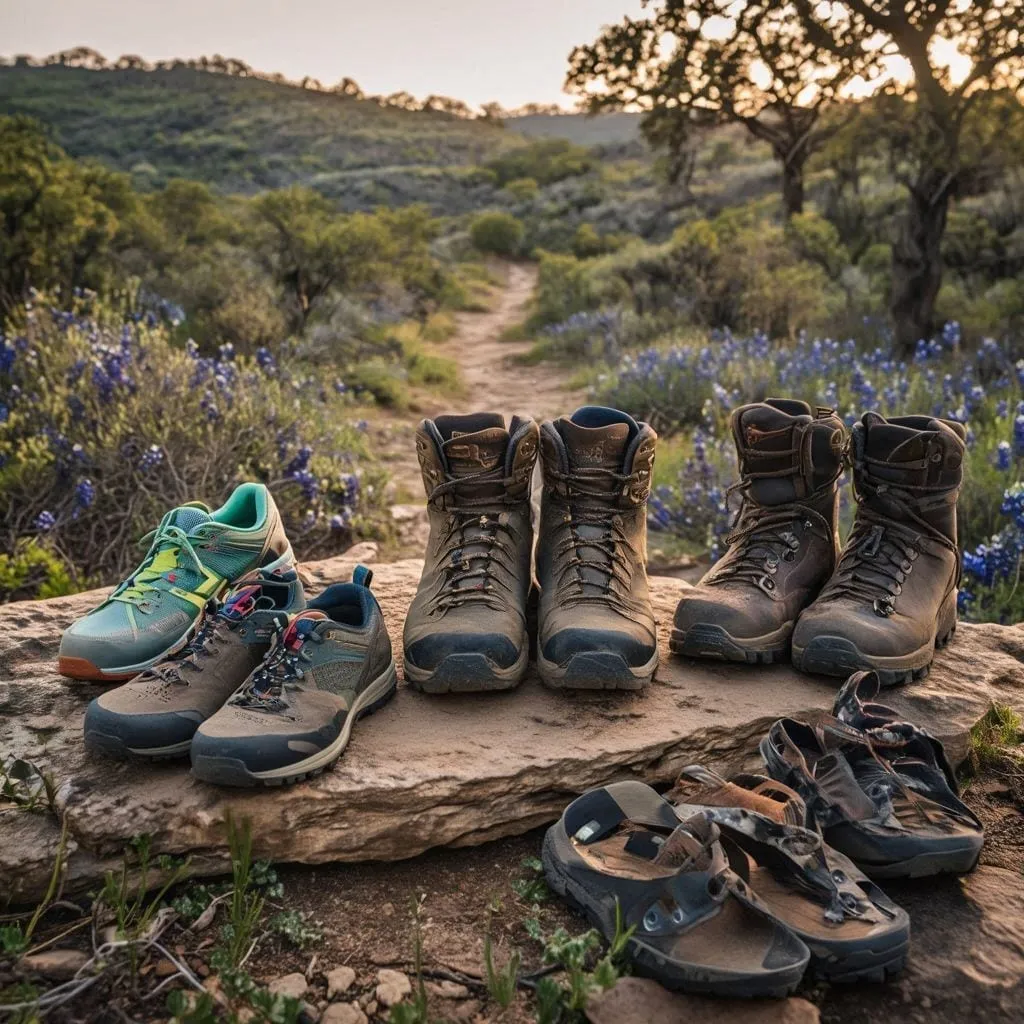
Best Hiking Shoes for Texas Hill Country Trails
Hill Country hiking is rock, heat, and the occasional wet crossing — not mud, not cold. Here's how to pick the right trail shoe for granite domes, limestone ledges, and everything in between.
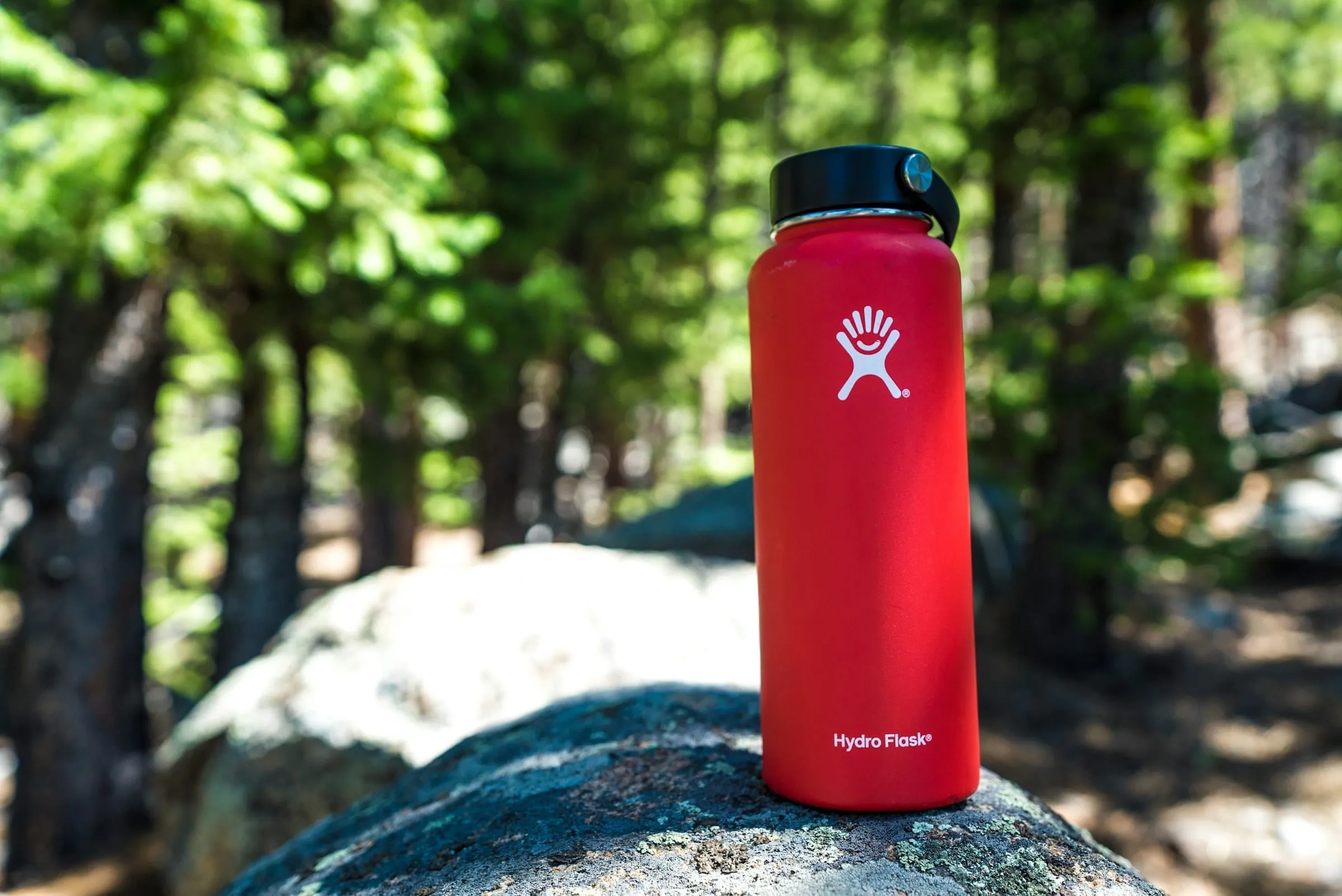
Best Water Bottles and Hydration Packs for Texas Summer Hikes
Short mileage doesn't mean low water needs on an exposed Texas trail. Here's how to size hydration for Hill Country summer hikes — and which bottle or pack actually handles the heat.
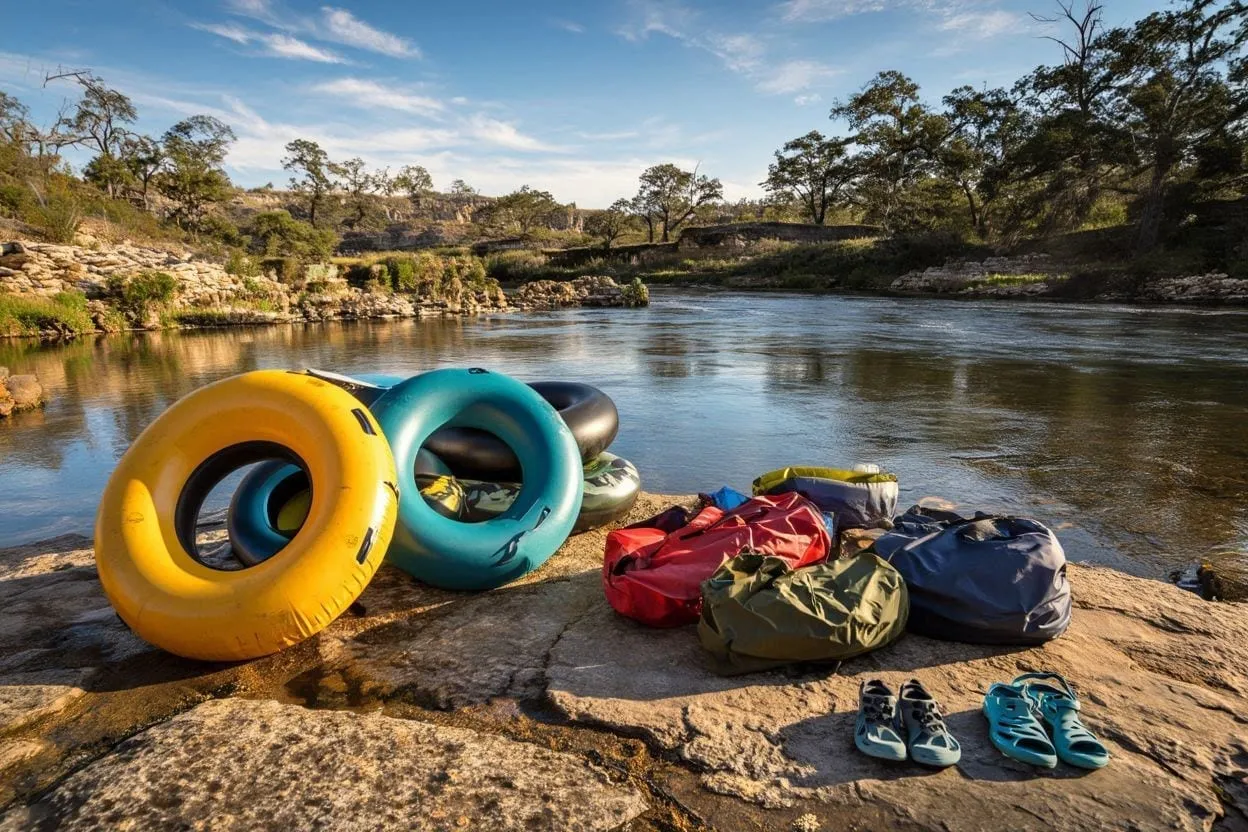
Best River Tubes, Dry Bags, and Water Shoes for Texas Float Trips
Texas float trips have specific gear problems: rocky exits, hot pavement, can bans, and shuttles that punish soft-soled sandals. Here's what works on the Comal, Guadalupe, and Frio.
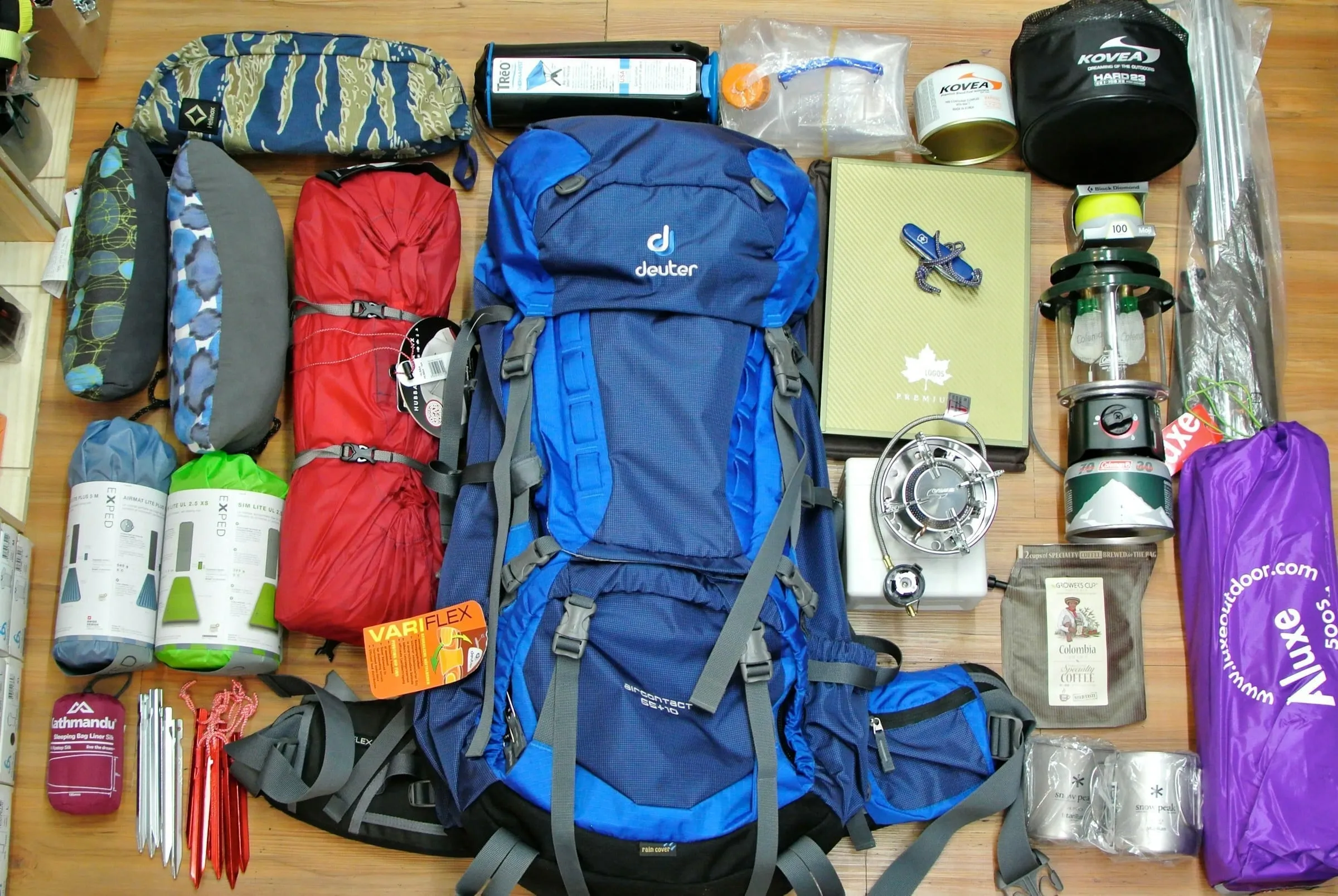
Best Camping Gear for the Texas Hill Country
Car camping in the Hill Country is nothing like a Rocky Mountain basecamp weekend. Here is what matters when you are headed to Garner, Inks Lake, or Guadalupe River State Park.
Related guides
Broader reads that pair with this hub
Destination, seasonal, and culture guides that deepen the same planning thread.
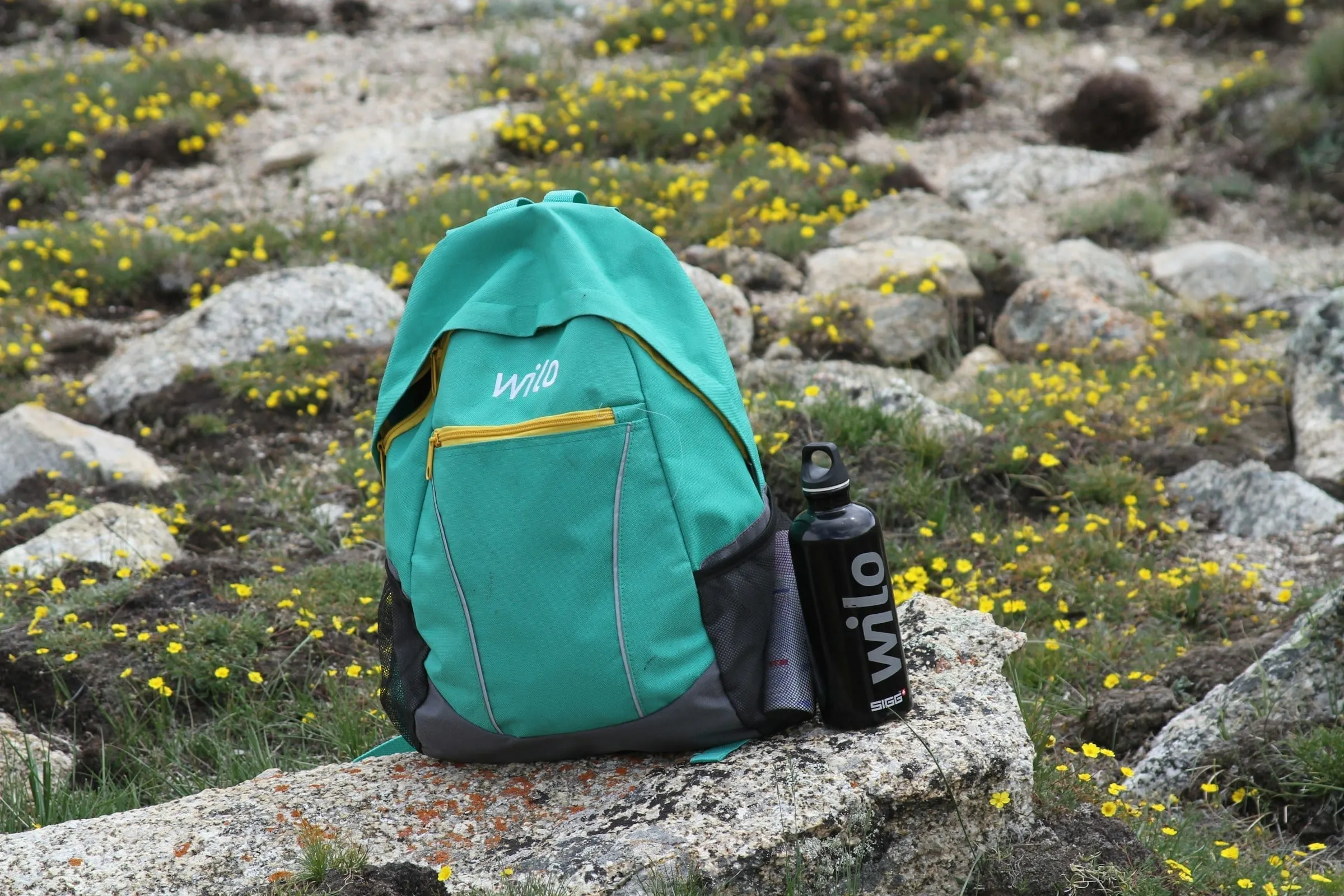
Best Daypacks for Hill Country Hiking
Choosing a daypack for Texas Hill Country trails is not about liters and ounces — it is about how much water you can carry in serious heat. Here is what actually fits the terrain.
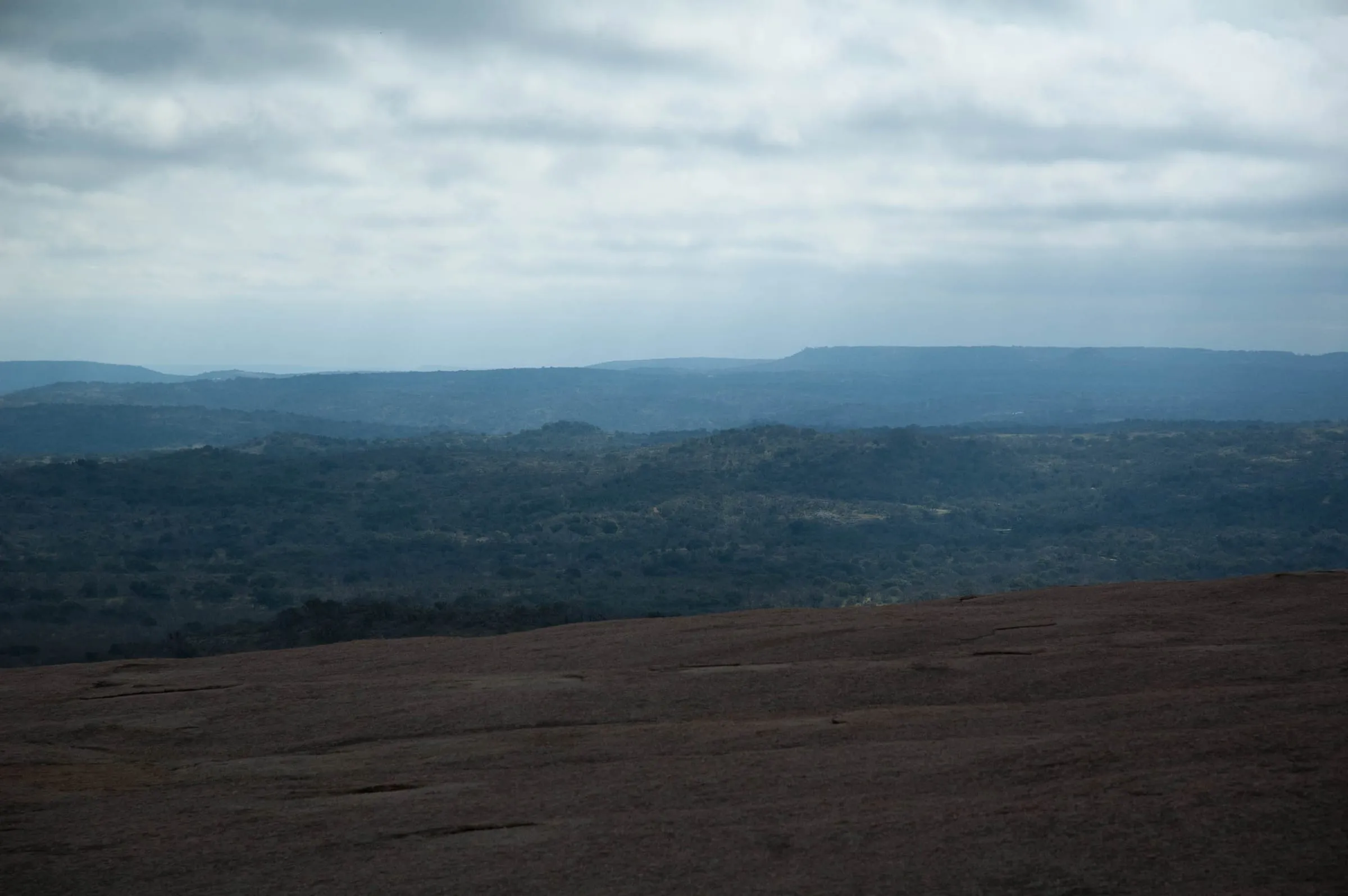
Best Sun Protection for Texas Outdoor Days
Generic sunscreen advice does not hold up on an exposed Texas trail or a full river day. Here is how to build a sun protection system that works for Hill Country heat.
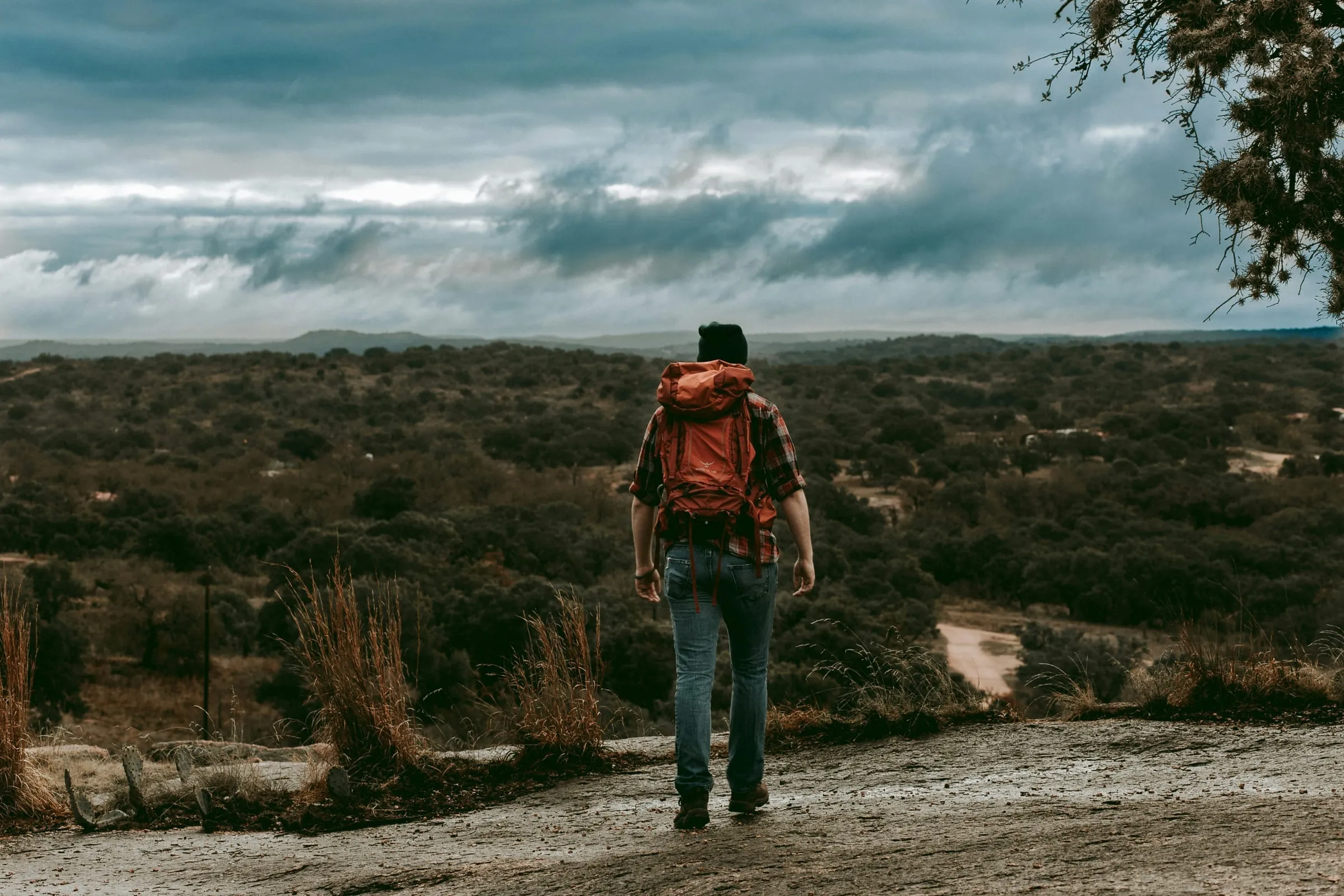
What to Pack for Enchanted Rock
Enchanted Rock is a short hike with real consequences if you show up unprepared. Here's what to bring for the summit, the loop, and the long Texas afternoon in between.
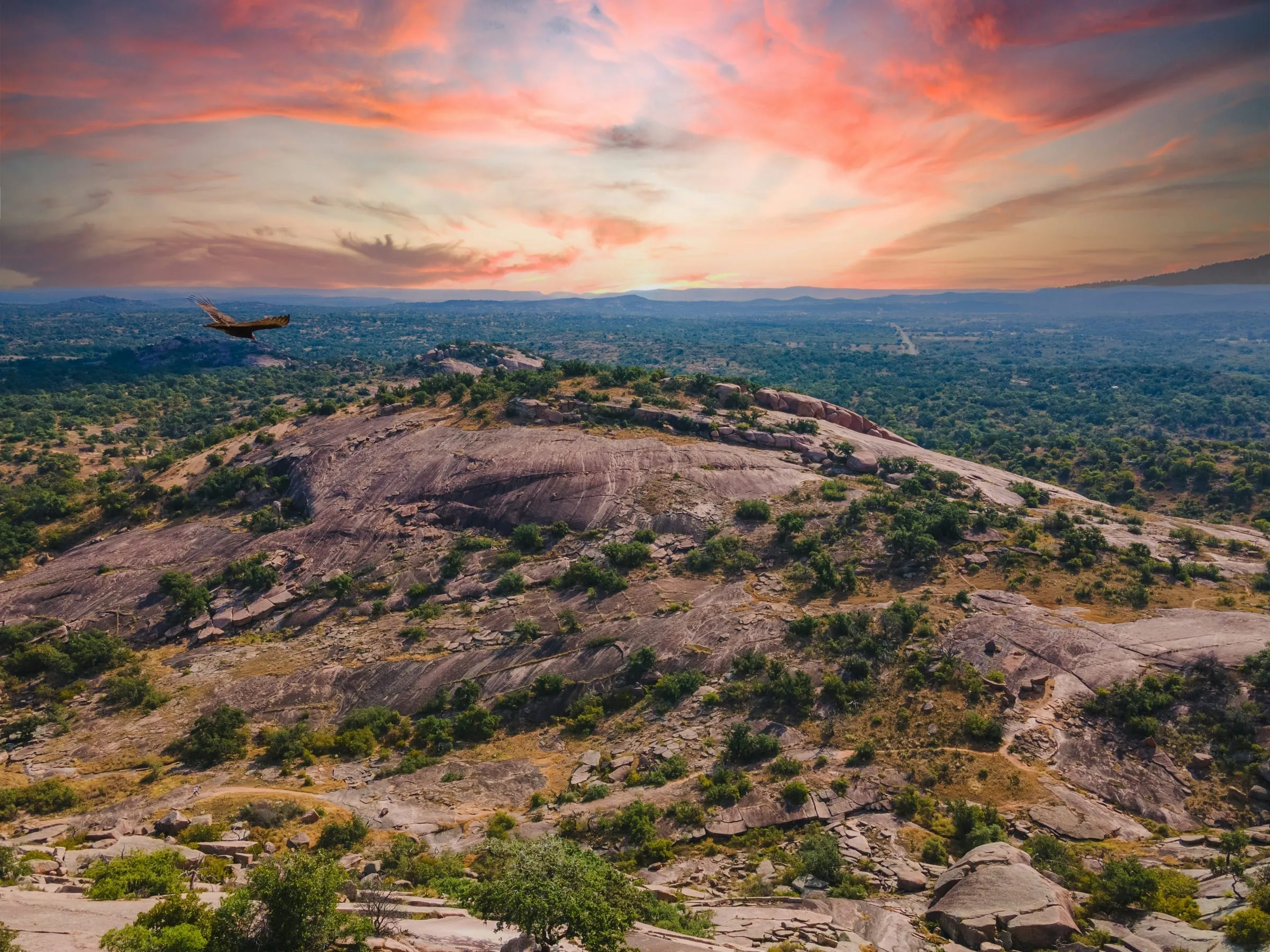
Enchanted Rock State Natural Area: Complete Guide
The classic Hill Country granite dome, how to hike it, and how to plan a smarter day around it.
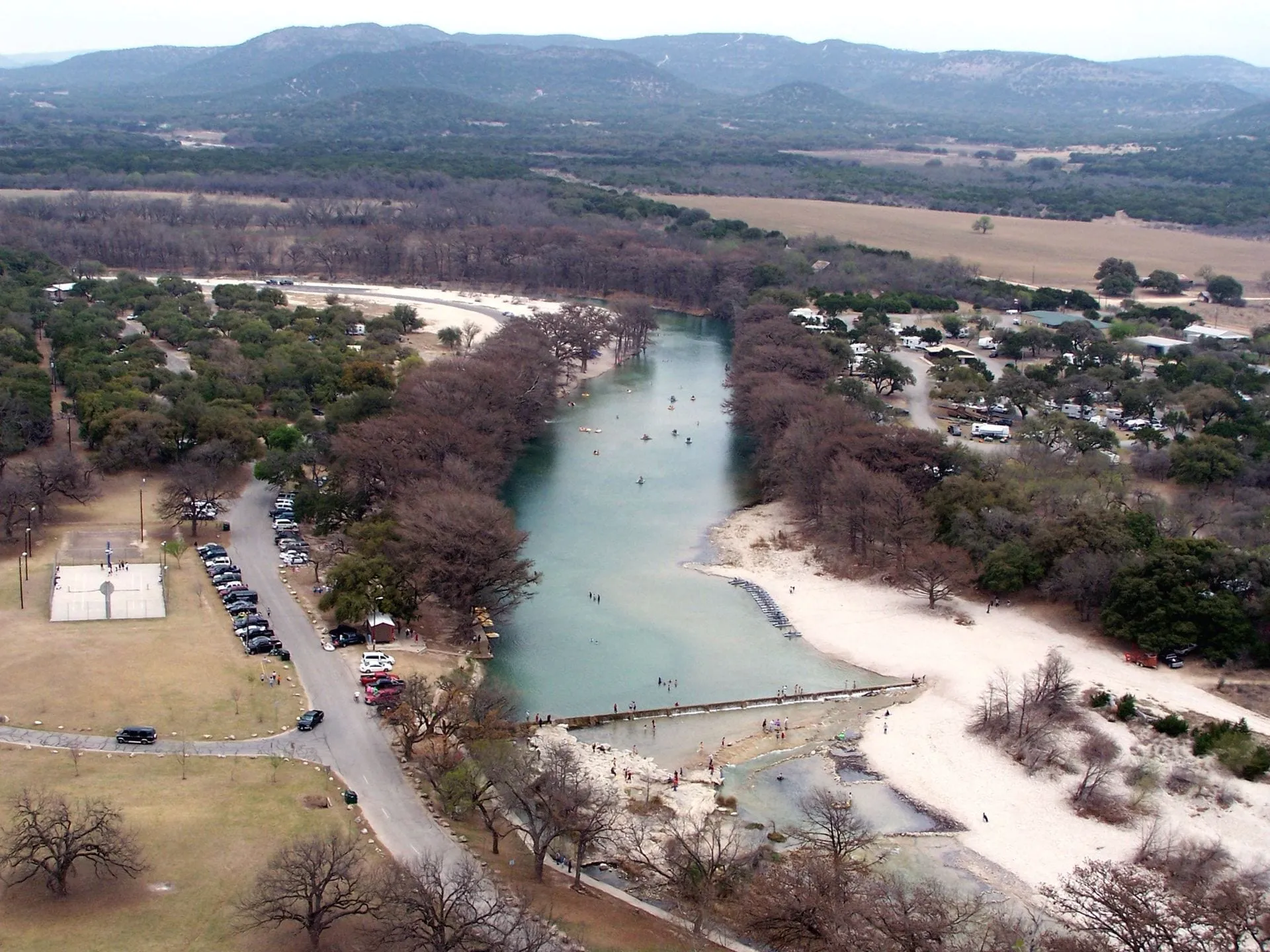
Frio River Float Guide
Where to start, what makes the Frio different, and how to plan a better river weekend around Concan and Garner.